Whose fault is it? (dogs need space)

[I found this in my diary from several years ago.]

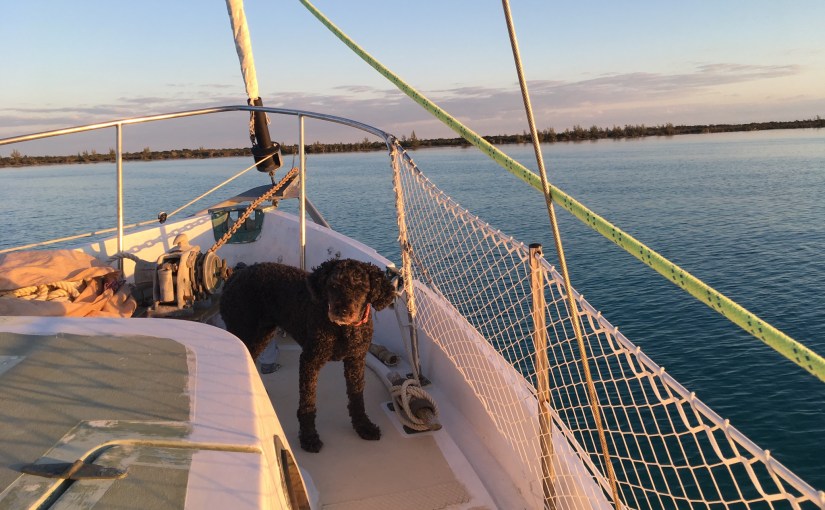
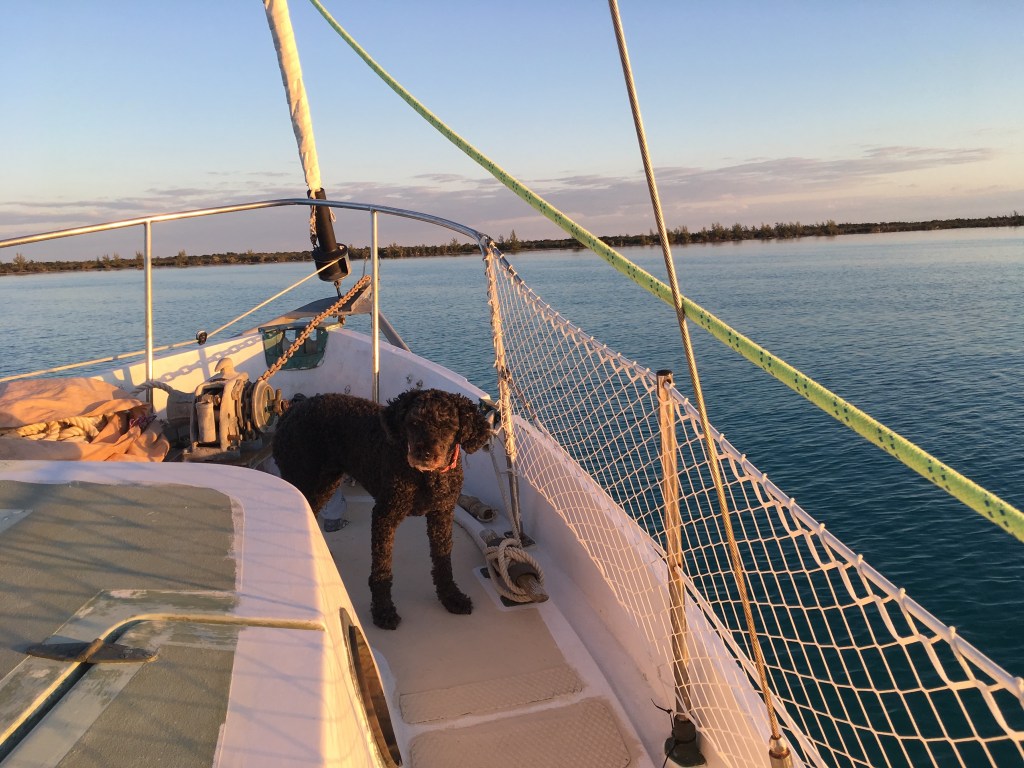
My 12 year old dog, Tigerlily, shocked me. We were coming in to port on our dinghy and I had two dogs on leashes, still wearing life jackets. I let both my dogs jump off the dinghy, and as I was still holding their leashes, this helps hold the dinghy to the dock, and gets the dogs out of my way, and helps me get up onto the dock as we tie the dinghy up  and disembark.

Just after the dogs jumped onto the dock (still on leash) I saw an old man approaching, walking along the narrow dock. I was fairly discombobulated, hanging onto the leashes of my dogs (who were eager to get off the dock and go pee!) and balancing myself as I tried to get off the dinghy and onto the dock. I assumed the gentleman was going to give me a second to get all the way off the dinghy and untangle myself and my dogs, but he just kept walking, passing right over my two excited dogs. Tigerlily, who has lots and lots of training, many hours of experience providing pet assisted therapy to children, sick, and elderly, jumped as he passed, grabbed his pants leg and apparently also nipped at his hand. I saw the pants grab, not the hand nip, but the gentleman showed me blood.

It was a scratch not a puncture, but it was not okay. I apologized profusely, and the gentleman fortunately accepted my apologies. He said, “My brother was a dog trainer, and so I know, it’s not your fault. I’ll just put a bandaid on it.”

That was generous of him. He wasn’t looking to blame, not looking to be “right,” not looking to add insult to injury. It was kind, honest to admit that he shouldn’t have walked so fast and close to unfamiliar dogs who can’t get away from him on a rickety dock.

And I don’t want to apologize so much that the old guy decides now I owe him money, or that my dog deserved to be treated as a dangerous dog, but it was really my fault. There is liability and risk in connection with dog ownership. If gun owners were required to handle their dangerous weapons as responsibly as dog owners must handle our sometime lunkheaded dogs, guns would need to be a lot cuter.

When Tigerlily jumped up and nipped, she was less than three feet away from me, on a leash. Twenty five pounds. The dock itself is only four feet wide. Offloading in a place they had never been before, Tigerlily was getting old and blind and deaf. Me too. Probably the stranger, too. He appeared out of nowhere, rushing and stressing us in an already somewhat wobbly situation.  

He suddenly invaded the space of unfamiliar dogs and humans, but still  I could have looked up, said a loud clear, “STOP!”  And I should have scouted the docks more carefully before off-loading.

After the incident, I was anxious for the rest of the day, just waiting for that man to come to my boat, and label me and my old poodle. I was so upset and ashamed, I felt like such a failure, that I imagined saying, “Here. She’s your dog now. Here’s the list of words she understands. Here’s a bag of dog food. Just take her and do whatever you think is best!”

But in spite of how dog/human social interactions can be challenging, anxiety provoking, dangerous, we keep on keeping our dogs. Humans and dogs continue to make mistakes. I’ve had off-leash dogs charge and bark at me and my dogs, I’ve had a sweet old black lab on a beach bite me pretty badly when I tried to get back my $15 Planet dog ball.

What bothered me about the dock incident was that I was right there, I had my dogs ON leash, I imagined my dogs were safe, but an accident happened anyway.

The best way to prevent dog bites or nips, no matter how well trained the dog, is to keep plenty of safe space around our dogs. Practice saying, “Stop! My dog needs more space!” Say it with a smile! Or try “Stop! My dog doesn’t want to be so close.” Even if our dog MIGHT do perfectly great, there are risks. Maybe our dogs need more space, and also more TIME.

Can we recognize those dangerous moments where our dogs are being pressured by other dogs or people?

Most dog bites come as a big surprise! And whether it’s a bite or scratch, knocking someone over, muddying clothes or just creating a scare, it’s OUR fault. We chose this responsibility. It’s up to us to do everything we can to prevent accidents.

Dogs Learning. No rush.

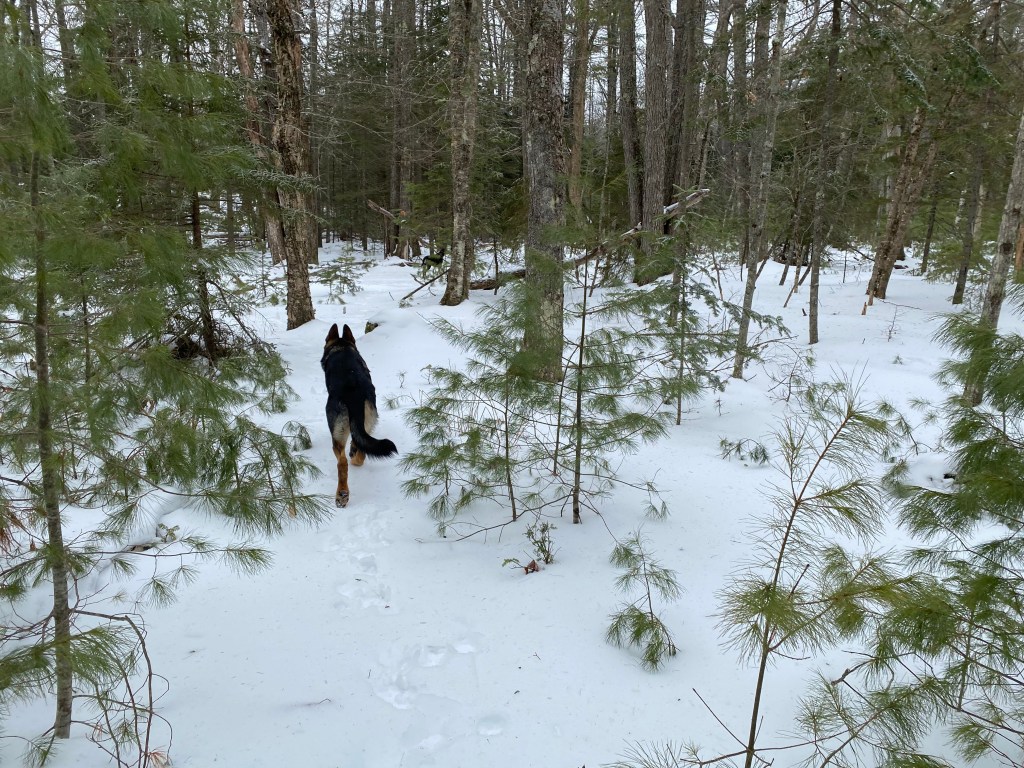
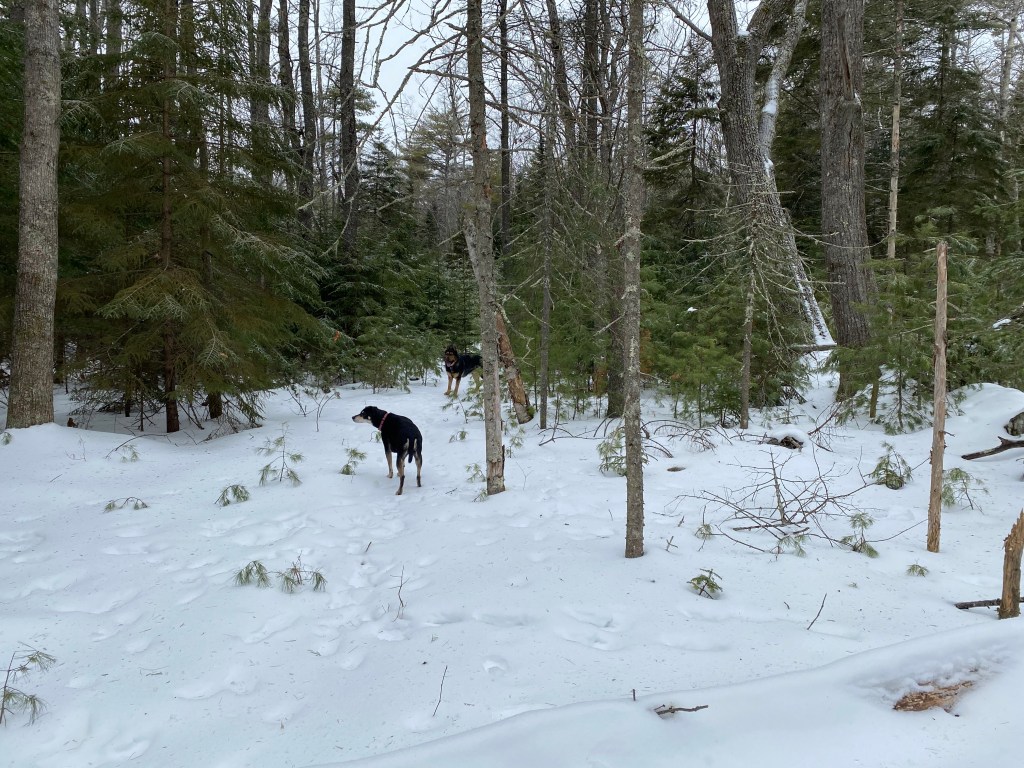
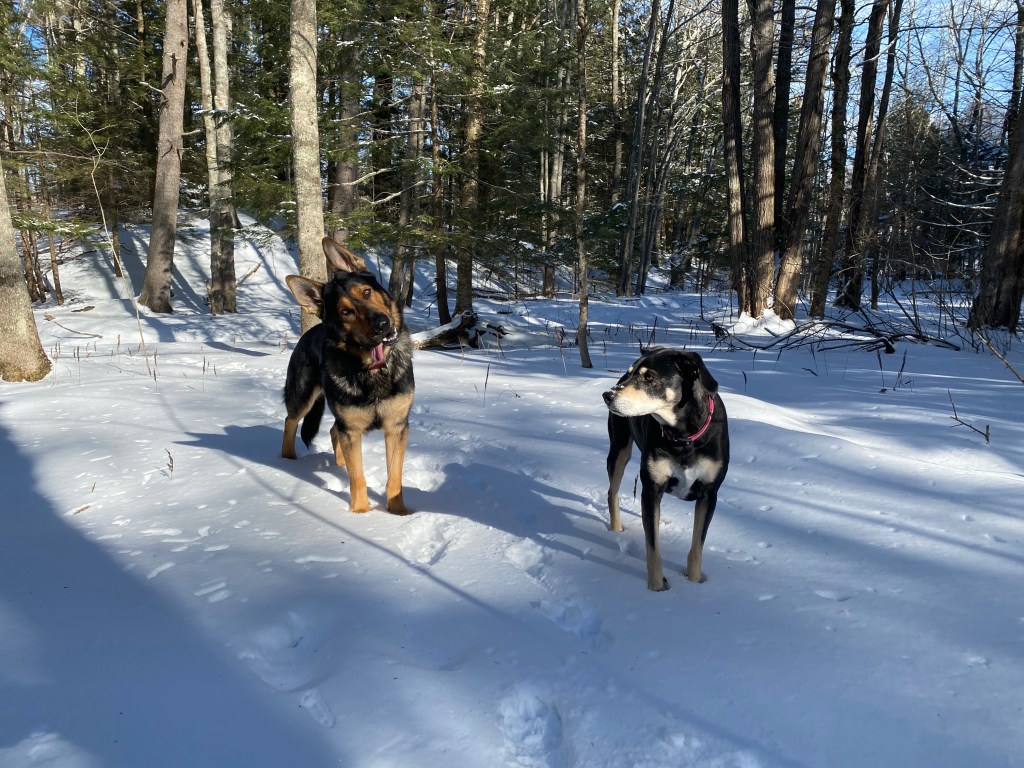
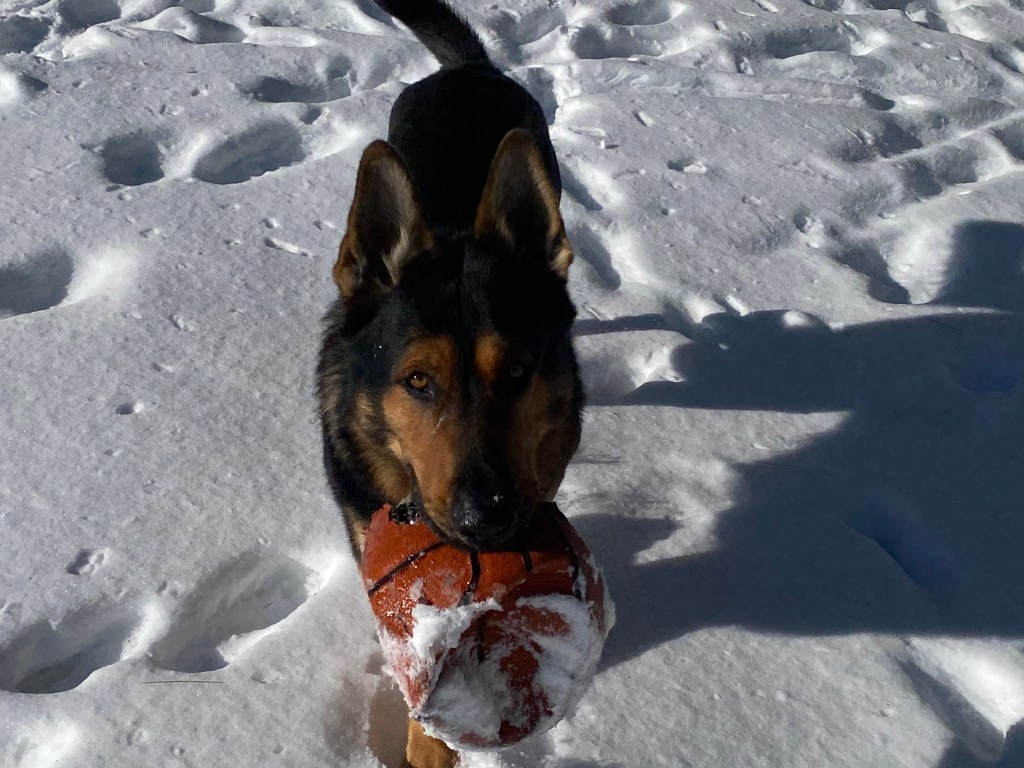
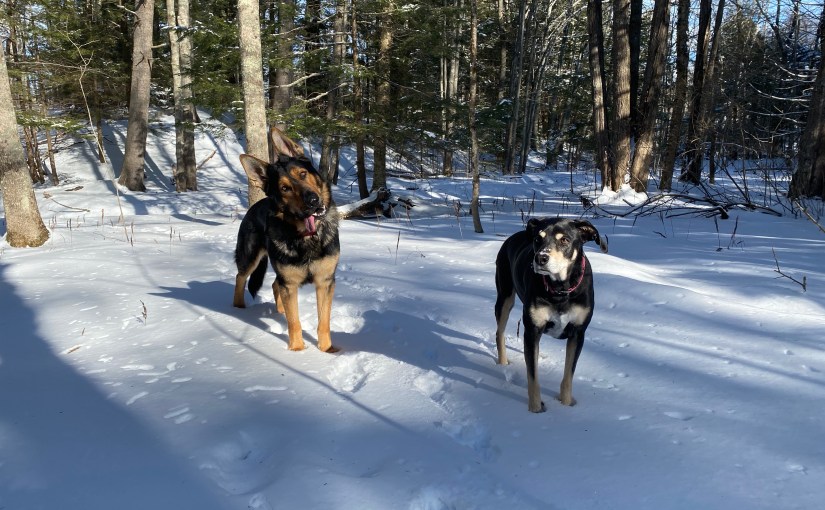
Training social skills is a little bit different for every dog. My 94 lb German Shepherd Dog (working and tracking lines) M’Ocean just turned three years old, ready to compete and earn more ribbons in rally, and start entering agility and tracking events. With warm ups and slow introductions, he often, but not always, displays amazing social skills. He loves people, he’s lovey dovey with my grandchildren. He’s gentle with guest puppies and dogs, he plays nice in big dog groups, he herds my ducks without harming a feather, but sometimes, when he’s leashed in the park, especially if another dog is staring at him , he’ll bark intensely at the other dog.

And in general, no one wants to see your german shepherd tell another dog off. German shepherd dog barks sound like a five alarm fire drill, extremely threatening, loud and scary. And even when M’Ocean is desperate to be friendly, 94 lbs of friendly german shepherd is more friendly than many people or dogs want.

There are many things on my training plan, upocoming rally and agility events, tracking events, some freestyle tricks I want to train, titles I want to collect. But nothing is more important than having a dog that won’t embarrass me (or scare/hurt anyone else). This is also true for dog owners in general, amirite?

So here’s where I stand with my “social” training plan. At the park, where lots of dogs are popping out everywhere, some on leash, and some off leash, I’m going “back to kindergarten.” That means, I will make lessons easier, clearer, train closer to the car for a while. That way, if M’Ocean whines or makes a small mistake, I can deliver a friendly consequence, and pop him back in the car. I don’t want to get myself in a situation where I have to keep on giving him a lovely walk in spite of the fact he just yanked the leash or barked at the off-leash dog. I want to be prepared to show him very clearly which behaviors earn more “privileges” and which behaviors mean he’s going “back to the car.”

We can measure our training progress partly by what gear the dog requires, and which environments are more comfortable and easy for your dog to be successful. My GSD is 3 years old now, and still at kindergarten (head halter) training level in many environments. As my goal is to have my dog become comfortable and reliably responsive off-leash in almost any environment, I need to progress training, and start practicing flat collar in more environments. For clarity sake, as well as safety sake, when he’s on a flat collar, I need to stay near a car or crate, so that if he’s naughty, I can stop the game. When my dog is responding well on a head halter around the car, and not reacting there even when other dogs cross the parking lot, then I can practice a bit on his flat collar. If he makes mistakes, I can put him in the car (or we could bring crates), and put his head halter back on. When he’s not making mistakes on his flat collar, then I practice long line games, and build some distance control, practicing stationary behaviors, and sending him to the car, and adding duration and distractions. Reinforcing crate games in the park may provide more confidence and clarity than all the frustrating not-loose leash walks in the world. Do you see how this delivery of incremental freedom, in responses to self control, can progress to great off-leash skills?

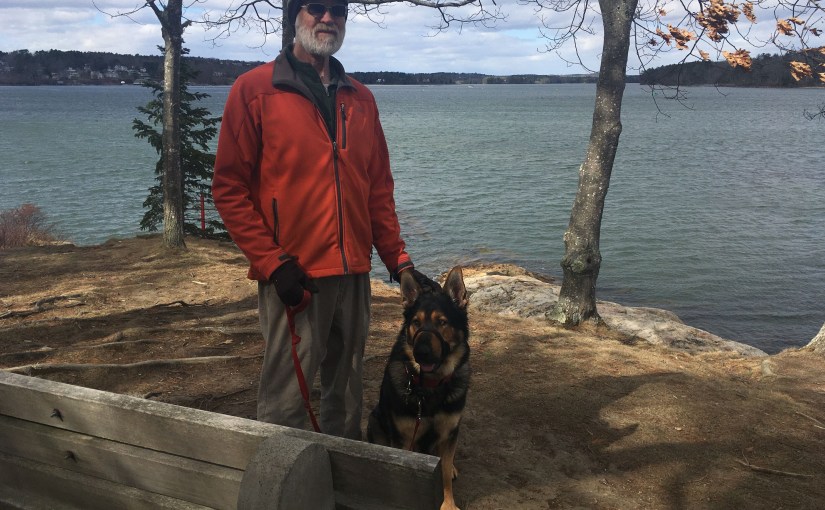
Yes it takes time, but if you don’t want to train, why did you get a dog? With my old dog Tigerlily, who was a super shy, very prey driven reactive barbet, it took me SIX YEARS! Partly, my second dog Bee helped me supervise Tigerlily, but as she hit about 5 years old, though she liked kitties more than dogs as “friends,” her visible reactivity went completely away. I brought her everywhere. I flew several times with her, she provided pet assisted therapy at Spring Harbor Hospital in the pediatric psychiatric unit (often outside in the playground with kids). Tiger and Bee sailed thousands of miles with us, from Puerto Rico to Maine, Maine to the Bahamas and back, visiting many classrooms along the way. The two of them were amazing, fun and easy, off leash on the beach, even around chickens and lizards! Just because your dog isn’t there now, doesn’t mean he never will be. We grow these skills. Tigerlily died at 16. My dog Bee is 11 now. She rarely needs a leash. M’Ocean is 3. Just three. Of course, he’s still learning how to handle his 94 lbs of energy. It takes time, and planning, for dogs to really trust and understand your guidance.

Moving skills forward means remembering that when I go out in public, I am rewarding self control and responsiveness with privileges and freedom. And if he’s being a whiny prancing overly excited pain in the butt, he’s going back in the car.

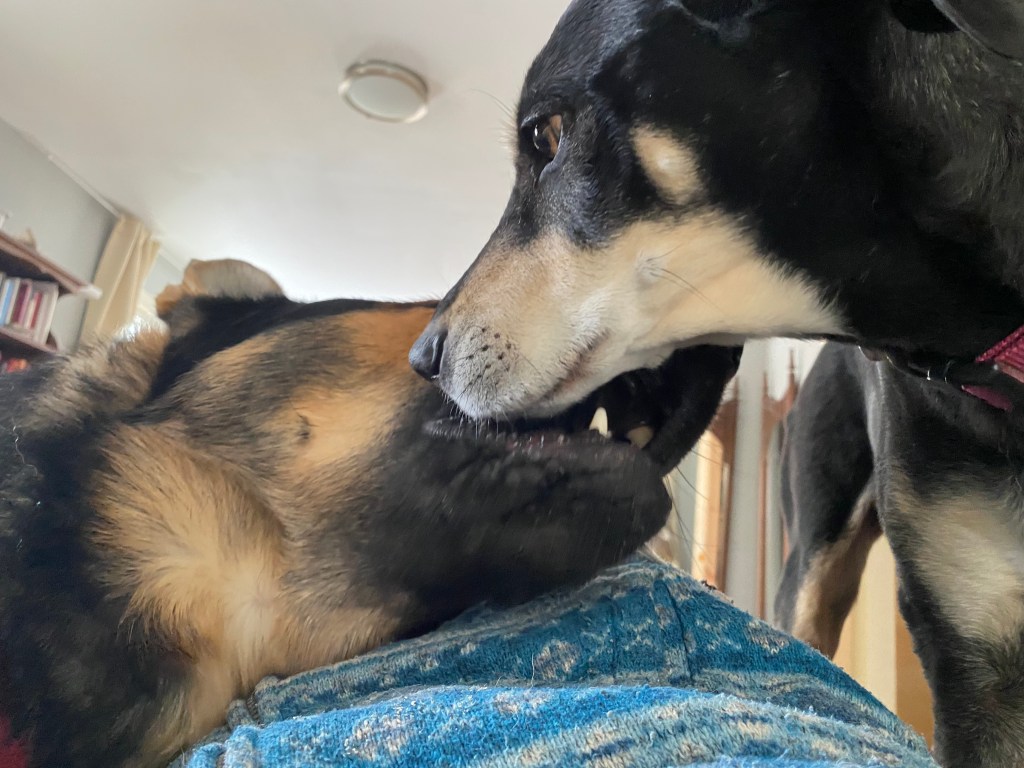
I have an airbnb guest staying in our training suite, and last night, M’Ocean opened the door and walked in, visiting the guest and his dog. Fred was like, oh wow. Big dog! And his dog Molly was like oh wow! Sexy! But there was no barking or hysteria, it was super friendly and funny interaction, M’Ocean scouted the room, they sniffed and wagged, Mo grabbed Molly’s dog toy and left! It’s a “good sign” when we see calm friendly dog/dog interactions. I’ve got to give Molly and Fred credit for handling the surprise with aplomb! But they had seen each other previously, out in the yard, across the gate, and so now he was walking around treating her like a member of the family.

Slow social experiences are good. Like humans, dogs do best when they get to know dogs a little bit at a time. People often hate the slow growth, we all want quicker fixes, but quick fixes tend to come with side effects. If we can relax and accept where our dogs are TODAY, and not worry about the fact that they still need to get to tomorrow, maybe that can make the learning process feel less fraught. Oh I just thought of a good thing to put on our blackboard in front of the farm stand. “Dogs Learning. No rush.”

Why do people teach their dogs to pull on the leash?

There are some good reasons, but mostly, people train leash pulling by accident. It shouldn’t come as a surprise, but it often does, that leash pulling is not a “natural” behavior. It’s a learned behavior.

Okay, how do you teach a dog to pull on a leash? You see something that the dog wants to investigate or reach, put the dog on the leash and then hold some tension on the leash as the dog charges to the prize. Over time, each practice session you should hold more and more tension in the leash as the dog runs, now dragging you, to the prize! Well done! Dogs will learn to drag almost any amount of weight to get to a prize.

What’s the prize? Well, where does the dog “arrive” when he pulls you? Where’s he going? Often, my dog is in a hurry to poop. Or to smell where a dog or mouse or interesting event has occurred. Dogs are frequently attempt to drag their handler through the main gate, entering Whole Dog Camp.

If you actually DON’T want to train your dog to be a world class leash puller, practice loose leash walking indoors, grow your early “loose” leash walking skills in environments where most of the reinforcement is associated with YOU, around with lower intensity distractions. Train the head halter and loose leash walk on the head halter from one “pot o gold” (that YOU find and hand to the dog) to another. I leave high value kibble in tiny piles on window sills, up over the door frame or shelves etc. So I walk around holding my dog’s leash sort of like I’m dragging a beach towel in the sand on a lovely afternoon. No tension in the leash. And just wander around, giving your pup a prize, sort of plucking it out of the air! “Oh Barney! Look what I found!” Your dog will think you are amazing!

You’re relaxed, but make sure you are leading Barney and not the other way around. So, make it fun and interesting for Barney to keep his eyes on you, and see what you’re up to! You find treats in the darndest places! Make sure Barney thinks you’re a laugh riot and is having a good time on this head halter tour of the house.

Good at it? Sometimes, no offense, it takes some practice to learn to not be an asshole when holding a leash. Sometimes we all pull the leash, but far better to use our words, or give the dog a little poke if he gets distracted, “Hey, we’re going this way!” And then trot away! If your dog is disinterested in you, and disengaging to do his own thing, try moving a bit faster and making it more interesting. Just running with your dog, laughing and playing like a dog might play, delivering treat-surprises, can help your dog engage and discover, oh, we’re on a journey about finding treats.

Then take the gear off and rest. When you’re good at these indoor walks, practice the same walk around the outside of the house. Hide treats in the crotch of the trees, in the mailbox, on the car, etc. Lead your dog from one cool discovery, to the next.

The most common resource that reinforces dogs’ leash-pulling behaviors is the opportunity to sniff or visit. So instead of just mindlessly letting the dog sniff or visit in ways that reinforce the behavior of leash pulling, we can more consciously deliver “sniff” opportunities as a prize for displays of self control.

Every time we leash walk, I have a plan for how I will reinforce his “loose leash” behavior. At the park,, we practice loose leash walking all over the parking lot and if he isn’t doing a good job, I can put him back in the car. Dogs learn to earn that walk! Practice and reinforce highly, all around the parking lot, into and out of the car, and if they make a mistake, they go back in the car! But then when they are quiet in the car, they respond to a “sit,” well, come on out then! It’s a game.

If you’re trying to go somewhere, that’s fine, but that’s not a good time to train a dog to walk on a loose leash. Practice makes perfect and you don’t want to practice the wrong behavior. When you are training a dog to walk nicely on a leash — and you should, a little bit, every day– it’s about training, and you shouldn’t be actually trying to go anywhere.

Put some treats on top of your car, and walk around the car, around the parking lot. When your dog is focused on you and heeling perfectly, say, “lets go!” And run with your dog! That’s the best reward! And run back to the car and deliver a treat. And every 10 to 30 steps, have the dog sit as you position yourself close to a tree or a lightpole, or a well peed-on rock (you can food reinforce the sit if you like) and then say, “go sniff!”

Don’t walk further, nor let your dog drag you to a new location, but do give the full leash length, and a few minutes to get a really satisfying snoot-full of just that one location, and then call the dog to walk on.

Sometimes I pull along a drag toy, or I have a couple of popped soccer balls and kick them to keep my dog focused on me. I give him carrot to crunch when a dog is walking by, but I definitely can’t forget to deliver lots of “go sniff!” cues. On a thirty minute walk when my dog is a beginner, I will easily deliver “go sniff” as a cue 30 times. I mean, that’s what a walk is all about, right? But I don’t deliver it for nothing. On a long line walk, I can cue a hand target, a recall, or a sit and then “go sniff!” in a moving “sniff!” As the dogs learn to trust that you really aren’t a big meannie, with-holding the sniff opportunities, but that instead you are delivering them, at a satisfying rate, then they relax more on leash. They trust you and your awesome itinerary. It might be the most challenging thing we train, but also the best rewards!

How Animal Trainers Make Big Problems Littler

In 2016/2017 my husband and I sailed to the Bahamas and back with 2 dogs aboard. Along the way, we visited many elementary schools where I would play my guitar and have the dogs do some tricks and explain how a little bit about the amazing field of behavior science.

I called my program “How Animal Trainers Make Big Problems Littler,” and I got my husband to participate. It was a wonderful adventure, and my husband just published a story about the trip on one of our favorite little sailing magazines. They put me and my dogs on the cover! It was a great adventure and I’m so grateful that we got to do it. Here’s the link: http://www.pointseast.com/our-current-issue/

OLYMPUS DIGITAL CAMERA